
The broadest idea of feature story in photojournalism is to tell a short but significant story through a colligate of organic photos. This broad idea encompasses wide range of storylines from humanistic to technological or on any given topic.
Feature story also may very often be aligned to the soft news. It is very essential that every photo captures the unadulterated emotions in order to strongly express true feelings and convey the underlying message.
Feature story along with its captions tell an entire story and answer the who, where, when, what, why and how questions.
It is highly recommended to practice shooting pictures in different modes with various intents. Because that important moment can come any second, that Pulitzer winning picture can be just few clicks away.
We begin our feature story by exploring the subject and aspects related to the subject, in my teacher Ms. King’s words “Circle the wagon”.
Circling the wagon exposes different perspectives about the subject and helps us to understand the dynamic relationship between the subject and its surrounding. This observation facilitates our anticipation for a possible upcoming moment.
Remember, anticipation comes with experience, which is gained by patience and practice, my wise teacher Ms. King had explained.
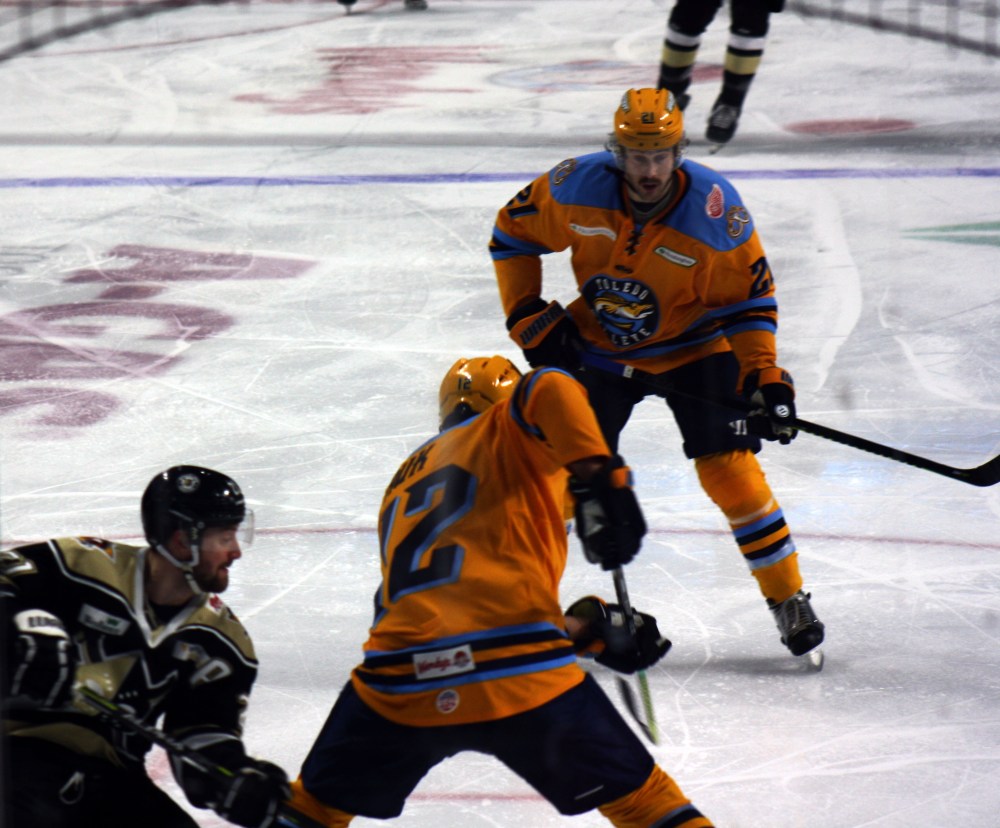
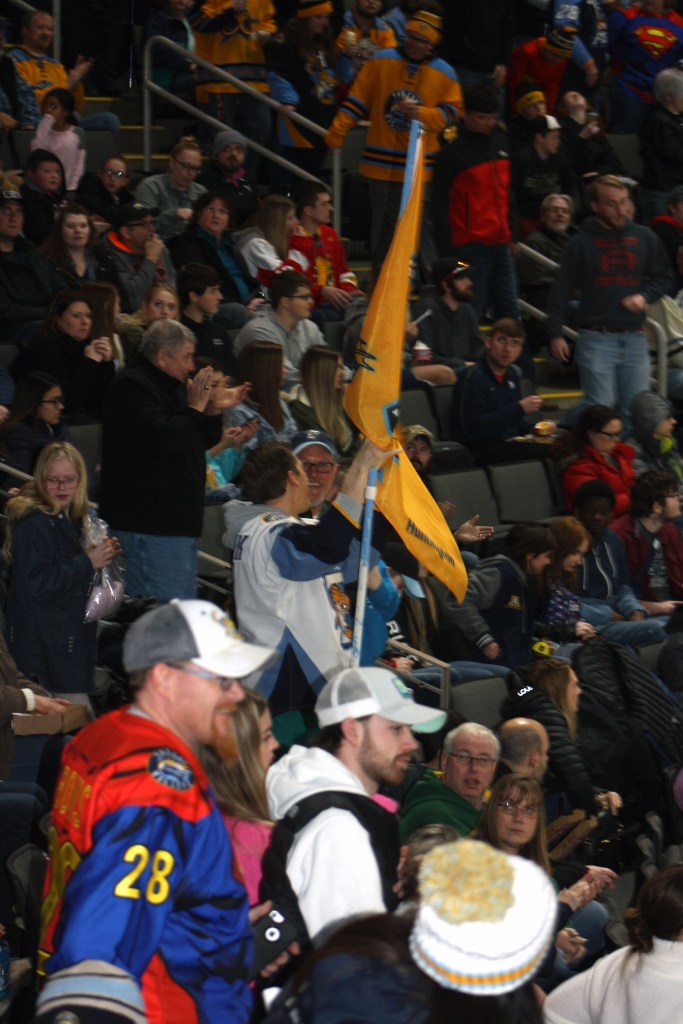
Each photo compiled in the story features vital information about the subject. In this case, Hockey game played between Toledo Walleye and Wheeling Nailers on Sunday, March 1st of 2019 is the subject of feature story.
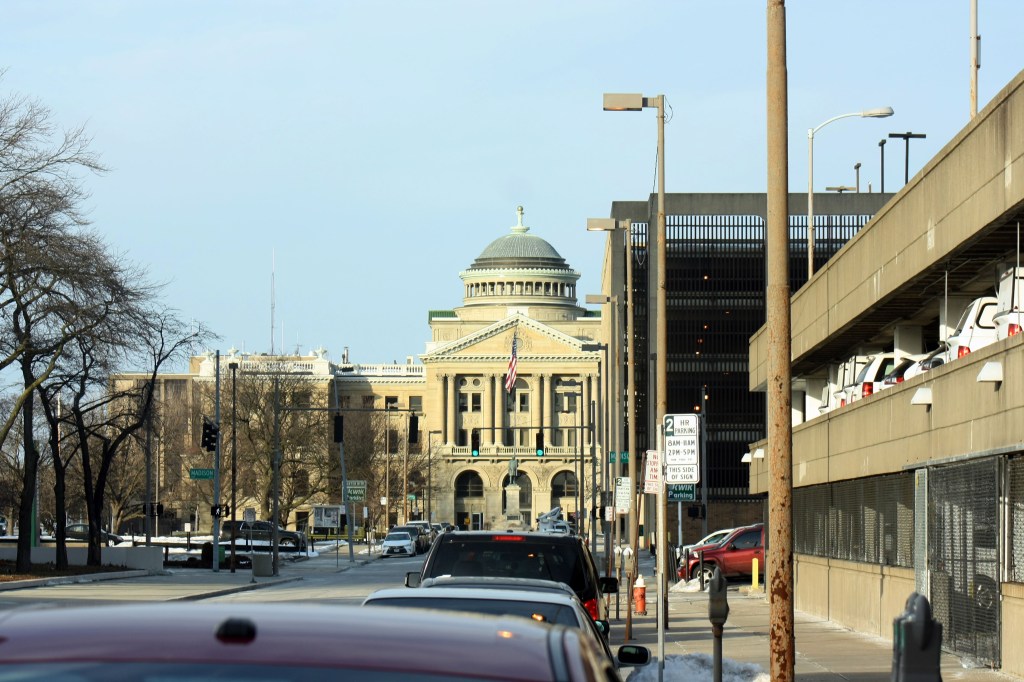
A wide perspective photo provides the sense of place and its environment. Depending on the size of the venue even multiple photos can also helpful in enhancing the perception.
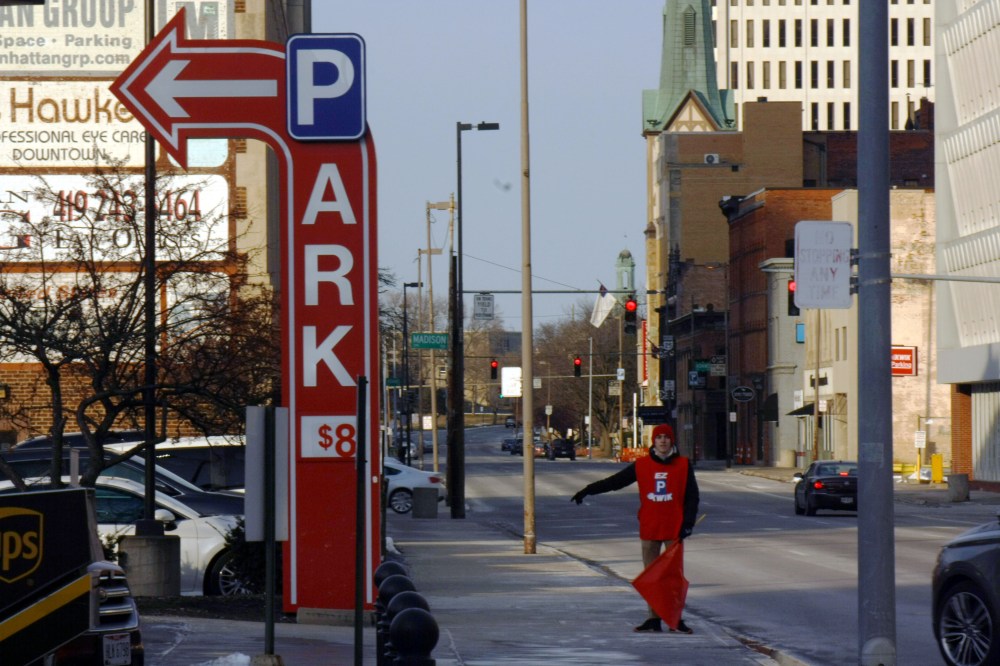
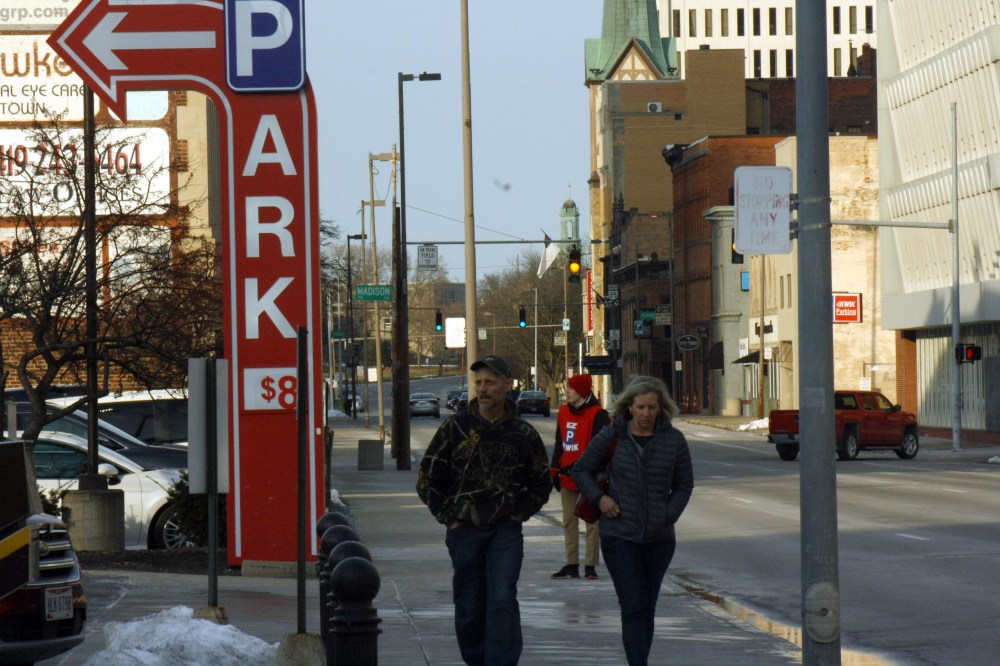
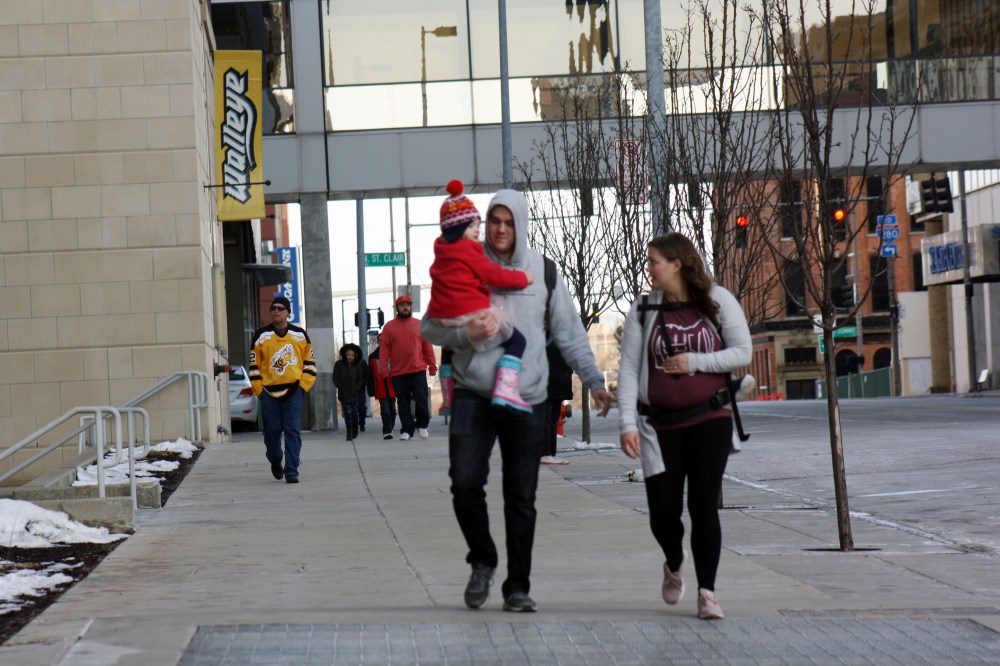
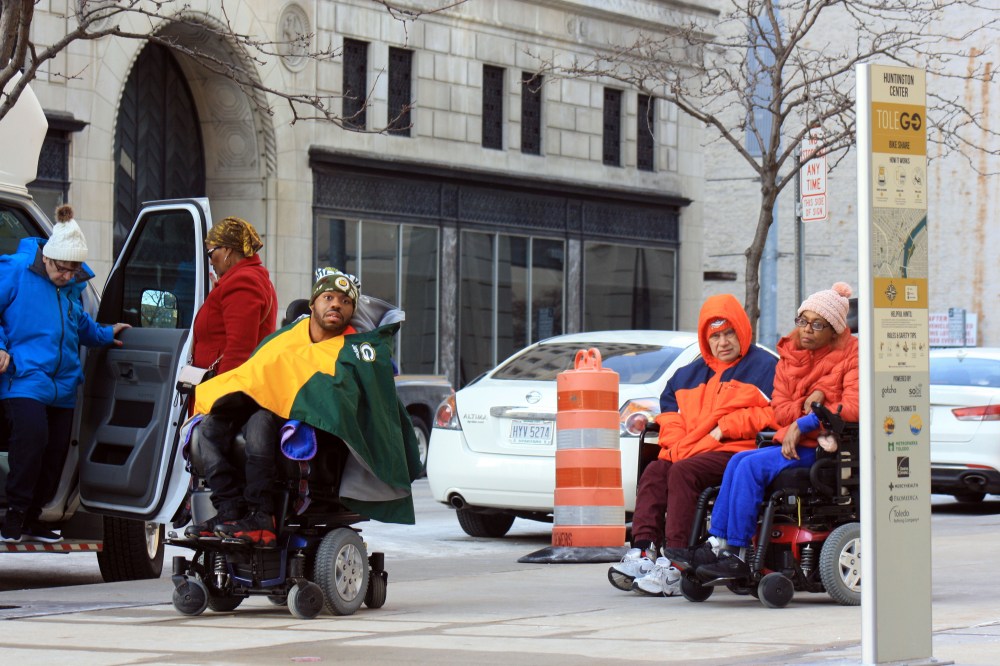
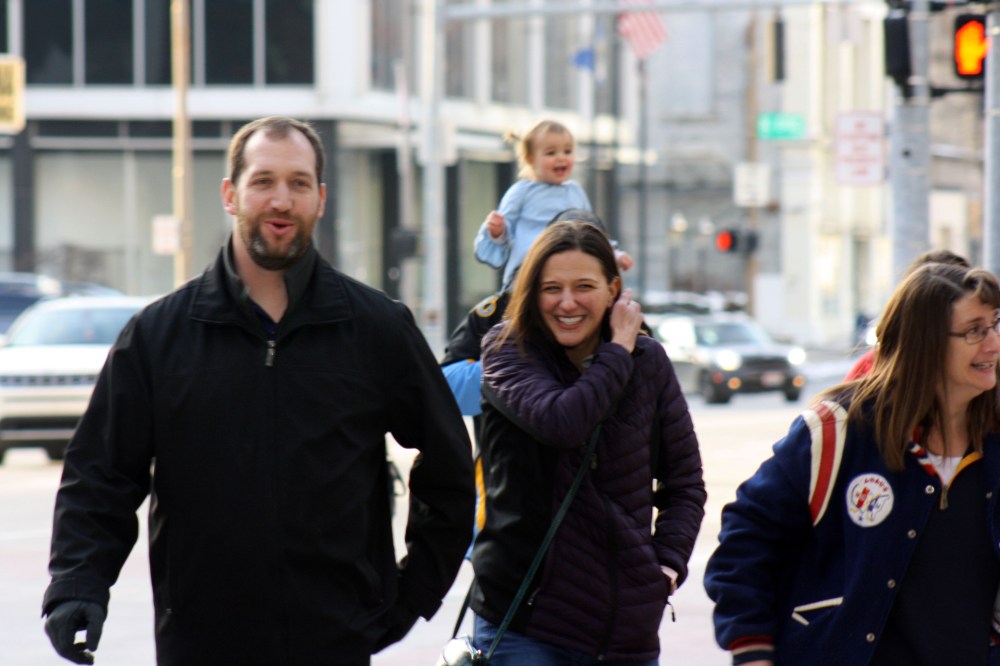
Busy parking lots and spots around the sports arena gives the sense of influx of people to watch the game. People arriving from different sides of arena provides the sense of location. The excitement is caught on the faces of the people entering the sports center.
Some photos are of dramatic importance and are shot neither too far away nor too close, distant enough to capture dynamic interconnection between different elements of the photograph. This part of the story is just like the goldilocks zone of planets.
We need some photos to express the relationship between the subject of that picture and its environment which is aligned to complimenting the story-line.
The action reaction exchange among the sportsmen and the sports fans during the game time can be a good example for capturing the sensation of the moment.
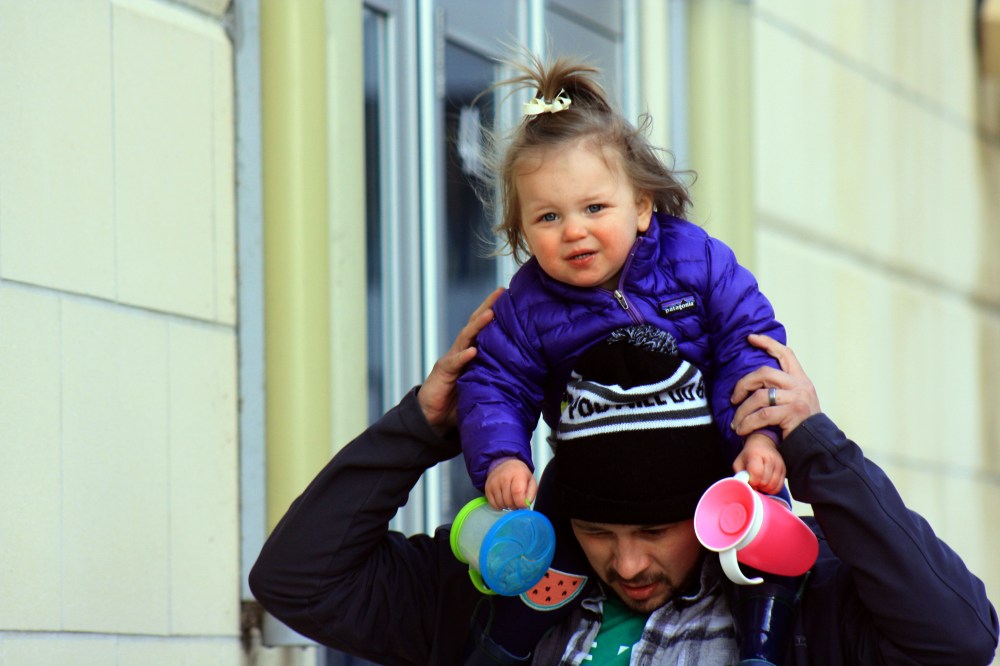
Or a child riding on their parents’ shoulders, in this case also almost express the same intensity of excitement as a fan waving Toledo Walleye flag after his favorite team scoring a goal.
A good feature story needs a zoomed in effect to take readers closer to the acting subject and its reacting environment.
The close-up shots capture the natural emotional action or response. These tight shots provide the strong sense of emotions expressed through eyes or facial expressions or hand gestures or body language. This section pulls the reader and photograph closer together.
Shooting an innate object and including it into the feature story is debatable.
Although it is preferred to avoid innate pictures because the lack the emotional or living response my instructor Ms. King has suggested photographs of innate objects can be shot express or convey some message directly through those innate subjects of the photo.
In this case the cars parked in spots, traffic lights are on, streets are void of people. There are cars but no humans complimenting the story-line and implying that everyone is in the sports center watching the game.
More will be discussed and explored about Feature Stories in forthcoming blogs


 SK Photojournalism